When Devotion Curdles: The Dark Side of Building a Fanbase That Actually Gives a Damn
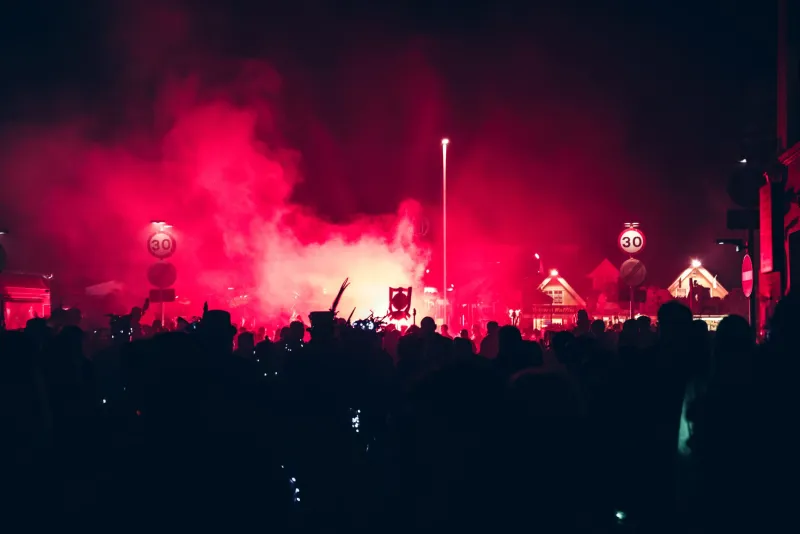
There's a specific kind of rage that only comes from love. You've seen it. An artist drops a new album, changes their sound, takes a brand deal, cuts their hair, dates the wrong person — and suddenly the people who had their name tattooed on their bodies are writing manifestos about betrayal. The comment sections turn feral. The Reddit threads spiral. The stan accounts that once ran defense now lead the prosecution.
Welcome to the loyalty tax. It's the price you pay for making work that actually meant something to somebody.
The More They Invest, the More They're Owed (In Their Heads)
Here's the uncomfortable truth about cult followings: the same psychological wiring that makes a fan obsessive also makes them possessive. When someone builds a piece of their identity around your art — when your lyrics got them through a breakup, when your aesthetic shaped how they dress, when your worldview cracked something open in them — they stop being a passive audience member. They become a stakeholder.
And stakeholders expect returns.
This isn't unique to music or film or performance. It shows up everywhere. Think about how violently certain audiences reacted when their favorite indie director went mainstream. Or when a beloved underground rapper signed to a major label. Or when a cult TV show got a network pickup and suddenly felt like a different animal. The people screaming "sellout" aren't randos who never cared. They're the ones who cared the most. That's the whole point.
Psychologists call part of this "parasocial relationship breakdown" — when the one-sided emotional bond a fan builds with an artist gets disrupted by perceived change or betrayal. But that clinical framing undersells how visceral it actually is. These people aren't being irrational. They're grieving. The version of you they fell in love with did something real to them. And now that version feels gone.
Evolution Is a Threat to the Story They Told Themselves
When you make art that resonates deeply, fans don't just consume it — they incorporate it. Your work becomes part of how they narrate their own lives. Which means when you evolve, you're not just changing your creative direction. You're retroactively editing their story.
That's a big ask. And most people don't take it quietly.
The trap a lot of artists fall into is thinking the backlash means they did something wrong. So they walk it back. They issue clarifications. They do the interview where they explain the new direction and promise the old stuff still matters. They let the most vocal critics drag them back toward the version of themselves that felt safe and familiar and, let's be honest, smaller.
Don't do that.
The backlash isn't evidence of failure. It's evidence of depth. You only get that level of emotional investment from people who were genuinely moved. Casual fans don't write 2,000-word callout posts. Passive listeners don't organize boycotts. The fury is proportional to the love — and the love was real.
The Paradox Nobody Talks About
Here's what makes this whole dynamic genuinely strange: the artists who never evolve, who give the audience exactly what they've always wanted, forever — those artists eventually get ignored. Not hated. Ignored. Which is so much worse.
There's no fury in indifference. No manifestos about how you let them down. Just silence and the slow drift of attention toward something newer, shinier, more surprising. The loyalty tax only gets levied on people who mattered enough to disappoint. Mediocrity never has to pay it.
So when the devotion curdles — when the Discord servers turn on you, when the fan accounts go cold, when the people who used to defend you start leading the pile-on — try to sit with what that actually means before you spiral. It means you built something with enough weight to hurt when it shifted. That's not nothing. That's almost everything.
How to Move Through It Without Losing Your Mind
None of this means you have to be indifferent to the people who love your work. The goal isn't to become some untouchable figure who floats above the reaction. The goal is to stop letting the most wounded voices in your audience function as your creative compass.
A few things worth keeping in mind when the loyalty tax hits:
Distinguish between criticism and grief. Sometimes a devoted fan is genuinely pointing to something that got lost in a new direction — a specific quality, a rawness, an energy that mattered. That's worth hearing. But a lot of what reads as critique is actually mourning. They're not telling you what to fix. They're telling you what they miss. Those are different conversations.
Don't conflate volume with validity. The loudest voices in any fanbase are almost never the most representative. The person writing paragraph-length accusations in your mentions is one data point. The thousands of people quietly listening to your new stuff, absorbing it, letting it change them — they're not posting. They're just living with your work. Don't let the noise erase their silence.
Let the story breathe. Some fans who rage at your evolution come back around. Not all of them — and honestly, not even most. But some. When they've had time to sit with the new work, when they've stopped measuring it against what they wanted it to be and started hearing it for what it actually is, something shifts. You don't have to chase that reconciliation. But don't close the door on it either.
The Real Proof of Work
At the end of it, the loyalty tax is the most honest metric you have. More honest than streams, more honest than ticket sales, more honest than any algorithm-generated engagement score. It tells you that somewhere along the way, you made something that got inside someone. That they carried it around long enough to feel betrayed when it changed.
That's the whole game. That's what you're trying to do.
The artists who never face this — who cycle through audiences without ever building the kind of devotion that can flip into fury — they're playing it safe. They're keeping the temperature low enough that nobody gets burned. And yeah, nobody gets burned. But nobody gets lit up either.
Build the thing that earns the tax. Pay it when it comes. Keep moving.
Chaos has a cost. Worth every cent.