Realness Is a Costume Too: The Myth of the Unfiltered Artist
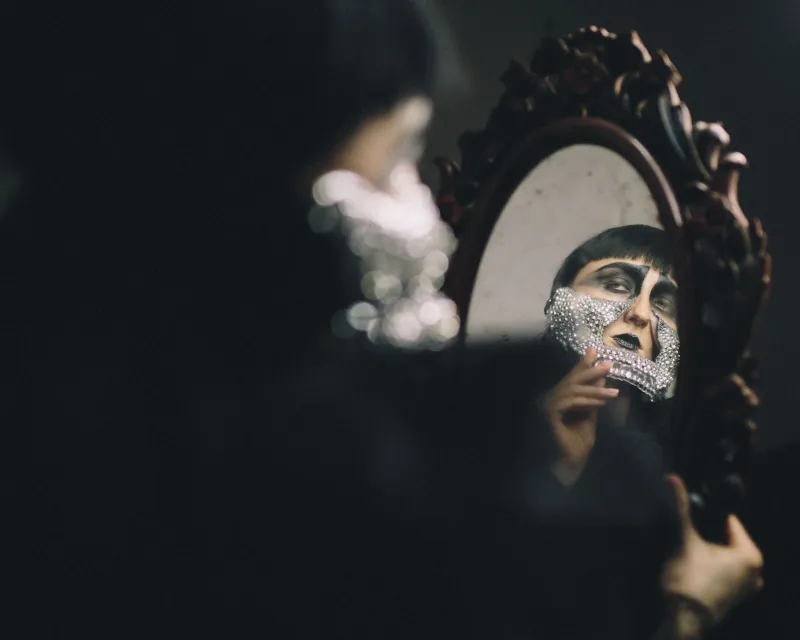
Somewhere along the way, the internet decided that authenticity was the ultimate currency. Raw footage. Unsponsored opinions. Crying on camera. The 'no makeup' selfie with a full face of very expensive skincare. We built an entire aesthetic around the idea of having no aesthetic — and somehow nobody called it out for what it is: the most calculated performance of all.
Let's be real (ironically). The obsession with being real has curdled into its own kind of lie.
The Authenticity Industrial Complex
Think about how many artists, influencers, and public figures have built entire careers on the premise of radical transparency. The confessional Instagram post. The vulnerability-as-brand-strategy podcast moment. The album where someone swears they finally took the mask off. It's everywhere, and it's been everywhere long enough that we should probably start asking: if everyone is performing realness, is anyone actually being real?
The answer is no — and that's not a cynical take, it's just an honest one.
Every single thing you choose to share is a choice. The tear you let roll on camera, the story you told about your difficult childhood, the opinion you dropped that you knew would get a reaction — those are editorial decisions. You selected them. You framed them. You posted them at a time you thought would land. That's not authenticity. That's production design with better PR.
And the artists who are actually moving culture? They know this. They've always known it.
Vulnerability Isn't the Same Thing as Truth
Here's where the authenticity trap gets genuinely dangerous for your creative work: it conflates vulnerability with truth. Like, if you cried making it, it must be real. If it cost you something emotionally, it must be honest. If people say it's brave, it must be unfiltered.
But vulnerability is a technique. It's one of the oldest tools in the performer's kit. Ancient Greek theater used it. Gospel music built an entire genre on it. Brené Brown made a nine-figure empire from it. That doesn't make it fake — it makes it craft.
The problem comes when artists start mistaking the technique for the destination. When you decide that bleeding on the page is the point, rather than a possible means to a specific, intentional end. You end up with work that's messy and self-indulgent and ultimately forgettable, because it prioritized feeling exposed over saying something precise.
Exposure without intention is just noise.
Specificity Hits Different
The artists who actually lodge themselves into your brain — the ones you quote years later, the ones whose work you return to when your life changes shape — they're not more authentic than everyone else. They're more specific.
Think about it. Kendrick Lamar isn't compelling because he's unfiltered. He's compelling because he has a point of view so particular, so architecturally precise, that it feels like he built the song around a single nerve ending. Phoebe Bridgers doesn't wreck you because she's raw — she wrecks you because she finds the exact, weirdly specific detail that unlocks something universal. David Bowie spent a career being the least 'real' person in any room, and he somehow told more truth than almost anyone.
Specificity is what separates the work that lasts from the work that trends for a week and disappears. And specificity requires choice. It requires knowing not just what to put in, but what to ruthlessly cut out.
What You're Hiding Is Part of the Work
Here's the thing nobody wants to say out loud: strategic concealment is a creative act. The gap between what you show and what you withhold — that's where the tension lives. That's where the audience leans in. That's where mystery gets made.
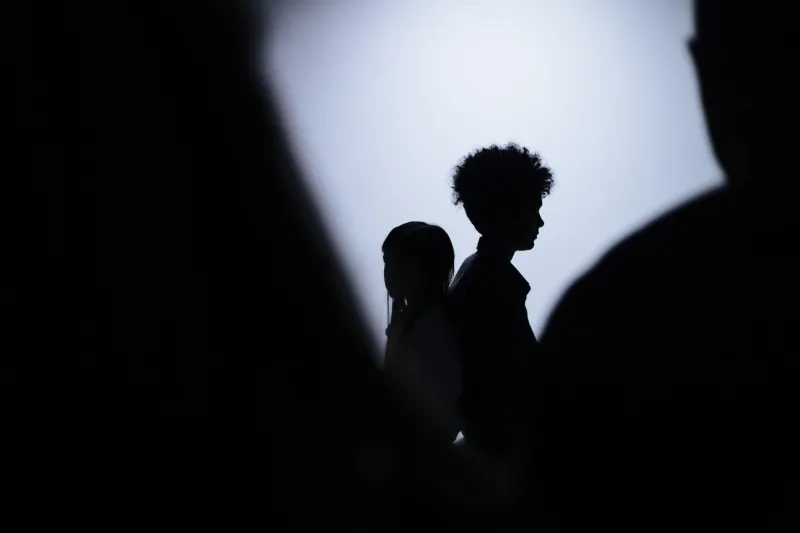
Every great artist is a highly skilled editor of their own mythology. They decide what gets revealed, when it gets revealed, and how much context surrounds it. They understand that a partial view can be more arresting than full exposure. That a shadow can communicate more than a spotlight.
When you buy into the authenticity gospel wholesale, you lose the edit. You hand over the keys to whatever emotional weather is passing through you that day, and you call it honesty. But your audience doesn't need your weather report. They need your architecture.
Choosing what to conceal isn't dishonest. It's the difference between a confession and a composition.
So What Does This Actually Mean for Your Work?
Stop asking yourself, is this authentic? It's the wrong question and it will make your work smaller.
Start asking: is this specific? Is this the most precise, most deliberately constructed version of the thing I'm trying to say? Does every element — what I've included, what I've left out, what I've let stay ambiguous — serve the work? Or am I just being messy and calling it brave?
Ask yourself what you're actually choosing to reveal, and why. Not because you should be calculating in some cold, cynical way, but because your choices are your voice. The curation is the art. The frame is the statement.
And honestly? The audience can feel the difference between someone who's strategically, purposefully revealing something and someone who just forgot to edit. One feels like being let in on a secret. The other feels like overhearing a phone call you didn't ask to be part of.
Authenticity Was Always a Myth. Specificity Is the Practice.
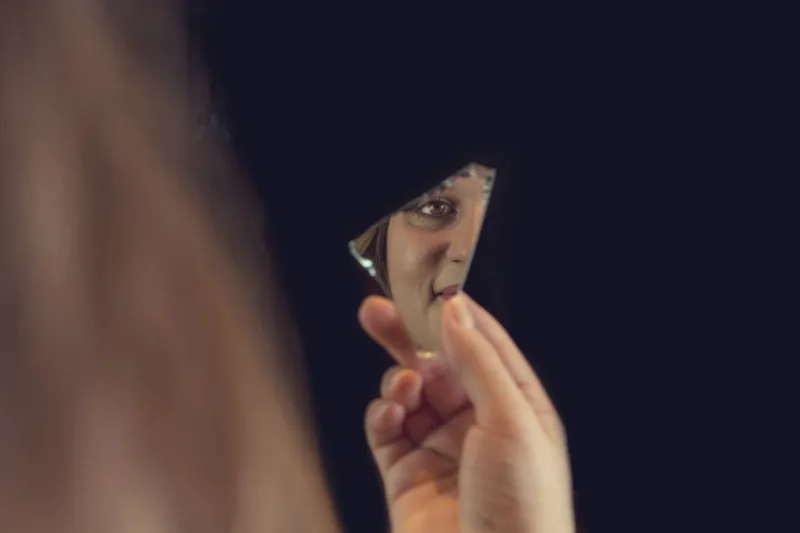
The 'real self' is a construction. It always has been. You built it from everything that happened to you, everything you absorbed, every identity you tried on and kept or discarded. There is no raw, unmediated you sitting underneath all that, just waiting to be freed by the right Instagram caption.
What there is — what you actually have access to — is your particular, specific, idiosyncratic way of seeing the world. Your weird fixations. Your specific grief. Your particular sense of humor that not everyone gets but the right people absolutely lose their minds over.
That's the thing worth excavating. Not the performance of realness, but the specificity of you — chosen deliberately, constructed carefully, and released with full awareness of what you're doing and why.
Chaos is an art form. But even chaos has an architect.
Stop chasing authentic. Start chasing exact.