Grovel Culture: How Public Figures Hand Over Their Power One Apology at a Time

Something grotesque has become completely normalized in American entertainment culture. A celebrity says something. The internet decides it's wrong. And then — right on schedule — comes the notes-app confession, the teary interview, the carefully worded statement from a PR team that spent forty-eight hours making contrition sound spontaneous.
Everybody claps. The algorithm rewards the vulnerability. And then, within six months, the same crowd that accepted the apology finds something new to be outraged about. The cycle resets. The figure grovels again. The power drains a little more each time.
This is not accountability. This is a trap with a velvet lining.
The Apology as Demolition Project
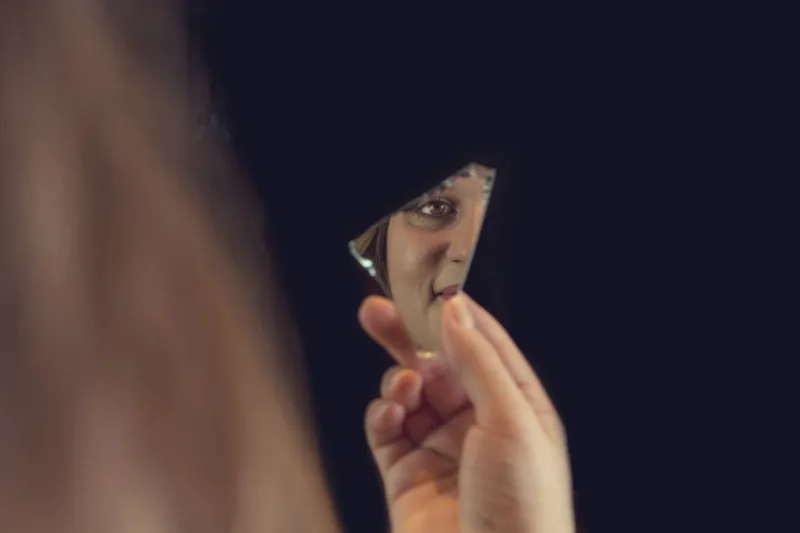
Here's what nobody wants to say out loud: when you apologize to an audience that was never going to forgive you anyway, you don't buy peace. You buy proof that you can be broken. And once the internet knows you can be broken, it will keep applying pressure just to watch it happen again.
Think about the figures who have genuinely endured — the ones whose cultural footprint only seems to grow despite controversy, or maybe because of it. They share one conspicuous trait. They don't perform remorse on demand. They might acknowledge. They might redirect. But they don't prostrate themselves in front of a crowd that showed up specifically to watch them bleed.
The apology, in its modern performative form, is less about healing and more about submission. It signals to the audience that they hold power over you — that their collective displeasure is sufficient cause for you to dismantle your own narrative and rebuild it according to their specifications. That's not growth. That's surrender dressed up in the language of growth.
Who Actually Accepts These Apologies?
Be honest with yourself for a second. When was the last time a celebrity apology actually resolved anything? When did the Twitter mob watch a statement drop and say, okay, we're good, let's move on?
It doesn't happen. Because the apology isn't what they wanted in the first place. What they wanted was the spectacle of someone powerful becoming small. The apology delivers that spectacle. It confirms the hierarchy — that the audience is the ultimate authority and the artist is subject to their judgment.
Once you understand that dynamic, the whole ritual starts to look less like culture and more like theater. Specifically, the kind of theater where the audience gets to decide the ending, and the ending is always the same: diminishment.
The people demanding the apology are not waiting to be satisfied. They're waiting for the next thing. And when you hand them your dignity as a peace offering, you're not making yourself safer — you're making yourself a more interesting target.
The Mystique Drain Is Real
There's a reason the most iconic provocateurs in American cultural history — the ones whose names still carry weight decades after their peak — tended to respond to controversy with silence, deflection, or doubling down. Not because they were morally superior, but because they understood something instinctively that modern PR culture has completely lost.
Mystique is not compatible with endless explanation.
When you explain yourself to everyone, you belong to everyone. When you defend yourself to every accusation, you've accepted that every accusation deserves a defense. You've given the mob jurisdiction over your inner life. And once you've done that, the creative work — the actual art, the actual performance, the actual reason anyone was paying attention to you in the first place — becomes secondary to the ongoing project of managing other people's feelings about you.
That's a full-time job. And it's one that will eventually swallow everything else.
The Difference Between Growth and Performance
None of this is an argument against genuine accountability. Real accountability exists. It's quiet, it's specific, and it's directed at the people actually harmed — not at a general audience looking for entertainment. Real accountability doesn't require a press release.
What we're talking about here is the performance of accountability — the ritual humiliation that gets packaged as vulnerability and sold back to the public as content. That version is almost never about the person who was allegedly wronged. It's about managing optics. It's about surviving the news cycle. It's about demonstrating to the algorithm that you are sufficiently chastened.
And the cruel irony is that the more genuinely someone grovels, the less it tends to land. Audiences can smell the calculation. They can feel the PR strategy behind the authentic-sounding language. So the apology fails at its stated goal and strips the person of their power. It's a loss on every front.
What the Refusal Actually Looks Like
Refusing to play the apology game doesn't mean being a sociopath. It doesn't mean never reflecting, never changing, never acknowledging when you've genuinely crossed a line. It means being selective about who gets access to your internal process — and understanding that the internet, as a collective entity, has not earned that access.
It means responding to controversy with work instead of words. It means letting your output speak while the noise dies down. It means trusting that the audience that actually matters — the one that showed up for the art, not the drama — will still be there when the cycle moves on.
The figures who survive controversy with their power intact tend to do one thing consistently: they refuse to let the moment of crisis become the defining moment. They don't hand the narrative over. They stay inside their own story.
Chaos Doesn't Owe Anyone an Explanation
There's a reason the most interesting artists have always made people uncomfortable. Discomfort is generative. It means something is happening — something that doesn't fit the existing categories, something that forces a reaction. That's not a PR problem. That's the whole point.
The second you start apologizing for making people uncomfortable, you've announced that comfort is the goal. And if comfort is the goal, you're not an artist anymore. You're a product being calibrated for mass approval.
The unappeasable will never be appeased. That's definitional. So stop feeding them. Stop handing over your power in installments, hoping that this time the offering will be enough. It won't be.
Keep the power. Keep the mystery. Do the work.
Let the noise be noise.