Crash the Gate: A Field Guide to Invading Scenes That Never Wanted You
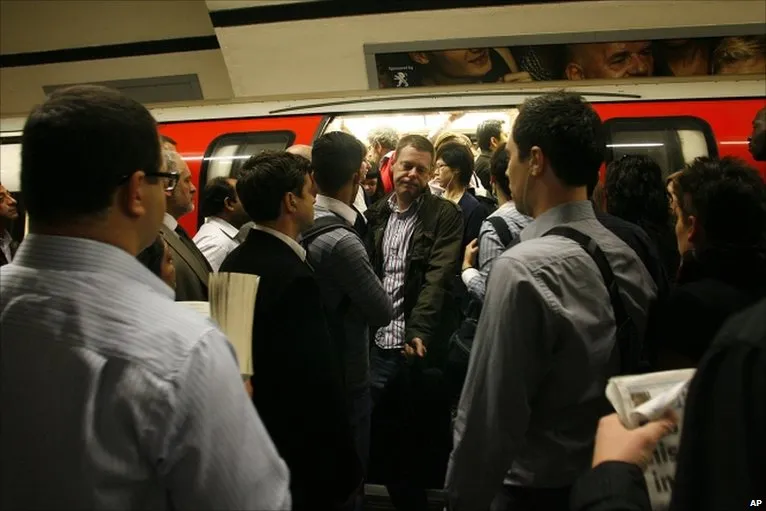
Photo: Susanturner70, CC BY-SA 3.0, via Wikimedia Commons
Every scene has a door. Some doors have a bouncer. Some doors have a mailing list. Some doors are just the collective vibe of forty people who all went to the same liberal arts college and now run a zine together. The door is real. But the door is not a law of physics.
You can knock forever. You can send the polite email. You can pay the dues that nobody agreed to define. Or you can do what every scene-disrupting artist has done since the first punk threw a chair through a gallery window: you can treat the door like a suggestion.
Stop Paying Dues to People Who Never Paid You
'Paying dues' is the most convenient myth in the creative economy. It sounds like wisdom. Usually it means: wait in line behind the people who got there first, and be grateful for the crumbs. But dues are only real if there's a ledger. In most scenes, the ledger is just a vibe.
The people who run the door aren't villains. They're tired. They curate by habit. They book their friends because it's easier than listening to a hundred demos. That's not gatekeeping as conspiracy. It's gatekeeping as inertia. And inertia is easy to disrupt.
Map the Gatekeepers (and the Side Doors)
Before you crash anything, learn the floor plan. Every scene has three layers:
- The official gate. The venue, the label, the festival, the publication. The people who say yes or no in public.
- The unofficial gate. The person who runs the soundboard, the booker's roommate, the photographer everyone trusts, the person who makes the flyers.
- The side door. The weird thing nobody is doing yet. The Tuesday night that nobody wants. The genre nobody in this scene knows how to book.
Most artists spend their energy on layer one. Smart artists start at layer three and work backward.
Make Something That Doesn't Fit
You don't invade a scene by being a worse version of what's already there. You invade it by being the thing it can't categorize. A punk band in a jazz club. A comedian at a noise show. A playwright doing a set at a warehouse party. The mismatch is the point. It gives the gatekeepers a problem they can't solve with the usual spreadsheet.
This is not about shock for shock's sake. It's about being legibly alien. People need to be able to describe you to their friends. 'It's like if X but Y' is the most powerful sentence in a scene. Give them the sentence.
Become the Venue's Problem (in a Good Way)
The fastest way into a scene is to make yourself useful to the people inside it, then make yourself impossible to ignore. Bring an audience. Bring a skill. Bring a weird little ritual that makes the night feel like an event.
Case study: a noise act I know got booked at an indie rock club by offering to design the poster for free. The poster was better than the show. The booker invited them back. The second time, they brought forty people. The third time, they headlined.
The lesson isn't 'work for free.' The lesson is: find the thing the gatekeeper is bad at, and be shockingly good at it. Access is a trade, not a favor.
Bring Your Own Crowd
Scenes are ecosystems. If you show up alone, you're a guest. If you show up with people, you're a weather system. Start a group chat. Throw a party. Make a zine. Build the smallest possible audience that would follow you into a weird room.
This is the step people skip because it feels like marketing. It's not. It's self-preservation. A scene can ignore a person. It can't ignore a room.
Don't Get Banned (Permanently)
There's a difference between disruption and vandalism. Disruption makes the room bigger. Vandalism makes the room smaller. You want to be the person who broke the format, not the person who broke the soundboard.
Rules of engagement:
- Respect the room, not the hierarchy. Be kind to the sound person. Be kind to the intern. Be a nightmare to the policy, never to the people.
- Leave the place better than you found it. Clean up. Promote other people. Pay the photographer. The scene remembers.
- Don't make the gatekeeper the villain in public. Save that for the work. Public feuds are a sugar rush. Private respect is a long game.
- Know when to leave. The goal isn't to be the king of the scene forever. The goal is to use the scene as a launchpad. Scenes are scaffolds, not destinies.
The Takeover Is a Verb
You don't need permission to make the thing. You need permission to use the room. And even that is negotiable.
The scene that never invited you is not a wall. It's a set of habits. Habits can be interrupted. Show up early. Bring something weird. Be useful, then be undeniable. The door was never locked. It was just heavy.
Pick it up.