The Fine Print Is Wearing Your Face
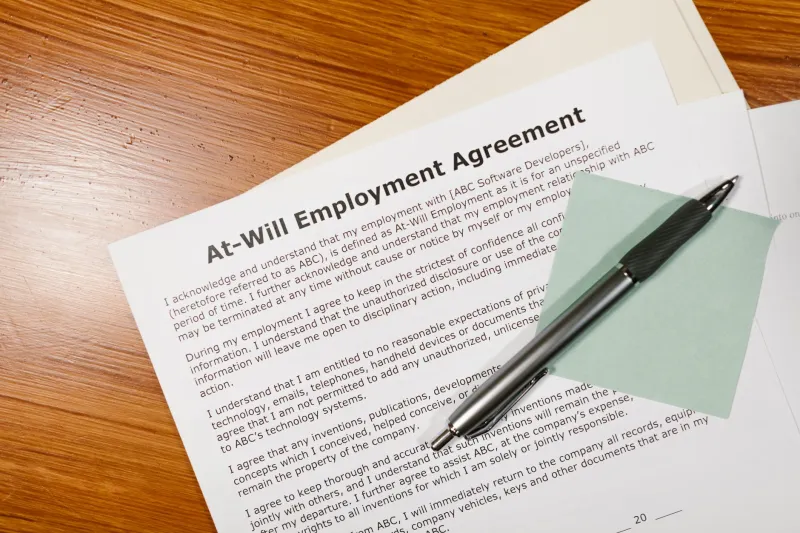
There is a paragraph on page 34 that most people never reach. It sits between the parking stipulation and the catering rider, and it is written so politely that it sounds like a compliment. Roughly translated: the company may create a digital replica of your face, your voice, and your performance, and use it forever, anywhere, for anything, without asking again.
You did not sell your face. You licensed it. The difference is the entire article.
The Boilerplate Is the Problem
The deepfake panic convinced everyone the danger was a rogue nerd with a GPU. It is not. The danger is paperwork — specifically, five words that get sprinkled into contracts that have nothing to do with AI: perpetual, irrevocable, worldwide, royalty-free, transferable. Add sublicensable and you have handed a stranger the keys to your entire physical identity, including the parts you have not grown into yet.
Since the 2023 SAG-AFTRA strike dragged digital replicas into the public conversation, the language has escaped studio contracts and colonized everything else: indie film options, music video releases, brand ambassador deals, podcast appearance forms, even some venue agreements that quietly grab recording and reproduction rights. If a document has your name on it and a company on the other side, assume the replica clause is in there. Check page 30-something. It always is.
License Versus Ownership: Learn the Difference or Lose It
A license is permission with a perimeter. Ownership is a deed.
When a studio licenses your likeness for a specific character in a specific film for a specific term, you still own the thing. When a contract assigns or permanently grants rights, you do not. Most artists never learn which one they signed until a lawyer reads it back to them in a tone usually reserved for bad medical news.
Watch for the assignment clause. If the company can transfer your replica to a successor, and the company gets acquired by private equity in 2028, your face is now a line item in a portfolio next to a chain of car washes. Your consent does not transfer with it. Their asset does.
Then look at the scope sentence. Scope creep is not a bug in these contracts, it is the design. The replica gets created for a film, then used in a video game, then a spin-off series, then an insurance commercial, then a political ad in a state you have never visited. Every expansion is technically legal because the original clause said throughout the universe and meant it.
And the part where they promise not to use it for anything distasteful? That is not a clause. That is a vibe. Vibes are not enforceable.
What the Law Actually Gives You
State law is moving, but slowly and patchily. California's AB 2602 requires representation by counsel or a union for certain digital replica provisions involving personal performances. Tennessee's ELVIS Act went straight at voice cloning. New York has a robust right of publicity. None of that saves you if the contract picks a different forum, or if you signed as an independent contractor and checked a box saying you had the option to consult a lawyer.
The law is a backstop. Contracts are the actual fight.
What Leverage Looks Like
You have more of it than you think, especially before you are famous enough to be a problem. Nobody volunteers these terms, but most of them are negotiable if you ask early and stay boring about it. Boring wins.
Narrow the definition. Not a digital replica of Artist, but a digital replica of Artist as Character X in Project Y.
Put a sunset on it. Three years, or reversion the moment the project is shelved. Dead projects should not keep your ghost on the payroll.
Demand per-use approval. Not a blanket yes, but a right to refuse specific categories: political, sexual, pharmaceutical, firearms, anything that requires you to endorse a human being running for office.
Kill sublicensing. No assignment without written consent. If the company dies, the rights die with it.
Get paid like a thing that keeps working. A flat buyout is a one-time check for an infinite product. Ask for a fee plus residuals or per-use payments, and audit rights so you can find out when they lie.
Write a takedown clause. Thirty days to remove any unapproved use, with a defined penalty. Money is the only language a spreadsheet respects.
Carve out your own voice. If you are a musician, the contract must state that your replica cannot be used to generate new musical recordings, and that your voice remains yours for your own releases.
The Signature Is a Creative Act
Artists like to think of contracts as the opposite of art, the boring paperwork that happens after the magic. It is the reverse. The contract is where your future self either has room to move or does not. It is the only document in the deal that will still be talking about you in twenty years.
Read page 34. Or better, pay someone to read page 34 and then sit in the meeting while they explain it. The most punk rock thing you can do this year is actually understand what you are signing, then refuse the parts that turn you into a file.
They can have the gig. They can have the check. They cannot have the face.