They Loved You Before You Became Yourself — And That's Their Problem
There's a specific kind of accusation that cuts differently than regular criticism. It doesn't come from strangers on the internet or industry gatekeepers who never believed in you. It comes from the people who were there — the ones who had your early stuff burned onto a CD, who showed up to the half-empty shows, who told everyone they knew about you before you were anyone worth knowing about.
And then you changed. You grew. You became something they didn't recognize.
And suddenly, those same people — your people — are calling it a betrayal.
Welcome to the ugliest paradox in creative life: the more authentically you evolve, the more you'll be accused of faking it.
Loyalty Dressed Up as a Cage
Here's what nobody wants to say out loud: a lot of what gets called "fan loyalty" is actually a form of ownership. When someone discovers you early, there's an implicit transaction that happens in their head. I believed in you when nobody else did. In return, you stay exactly the way I found you. It's not malicious, necessarily. It's human. People attach meaning to the version of you that meant something to them.
But that's their story, not yours.
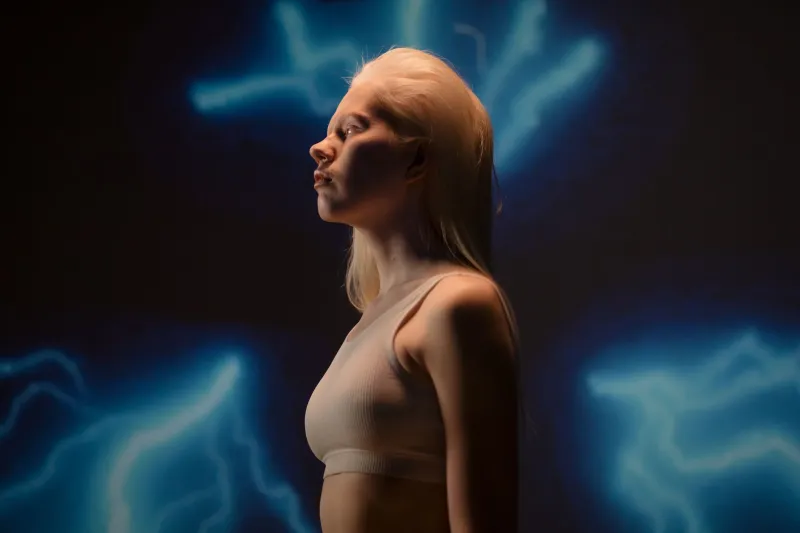
When Kanye went from College Dropout to 808s & Heartbreak, half the fanbase lost their minds. When Bob Dylan went electric at Newport in 1965, people literally booed. When Billie Eilish started experimenting with a blonder, more classic Hollywood aesthetic, the discourse online was embarrassing — as if she owed the internet a specific aesthetic in exchange for their early streams.
Every single time, the narrative was the same: You changed. You sold out. You're not who I thought you were.
And every single time, the artist in question was simply doing the one thing that makes creative work worth a damn — moving forward.
Stagnation Has Better PR Than It Deserves
We have this cultural habit of romanticizing the early work. The scrappy debut album. The lo-fi recordings. The raw, unpolished thing that felt like it was made in someone's bedroom because it literally was. And yeah, there's something genuinely beautiful about that stuff — the hunger in it, the desperation, the lack of anything to lose.
But here's the thing about hunger: you're supposed to eventually eat.
The problem is that "staying true to your roots" has become a coded way of saying "stay small enough that I can still feel like I discovered you." It masquerades as authenticity when it's really just a preference for a version of you that was easier to contain. The early fanbase often wants the artist frozen at the moment they first connected — like a museum piece behind glass, preserved and unchanged and entirely theirs.
That's not love. That's taxidermy.
The Accusation of Selling Out Is Usually Projection
Let's get uncomfortable for a second. Most of the time, when someone calls an artist a sellout, what they're really expressing is grief. I don't recognize you anymore. The thing I loved about you doesn't exist in the same form. I feel left behind.
That's a real feeling. It deserves some compassion.
But it does not deserve your compliance.
Because here's the dirty truth about "selling out" accusations — they almost never have anything to do with actual artistic integrity. They're about the fan's relationship to the past version of you, not about you at all. If you started making music that genuinely compromised your vision for a quick paycheck, sure, that's worth examining. But if you changed because you grew, because life cracked you open and you came back different, because you got curious about a new sound or a new medium or a new way of being in the world? That's not selling out. That's the whole point.
The artists who never change aren't being authentic. They're being safe. And safety, in the creative world, is the real sellout move.
What You Owe Your Early Supporters (It's Less Than You Think)
Gratitude, sure. A nod to where you came from, absolutely. But your entire creative future? No. Not even close.
There's a version of artistic gratitude that tips over into artistic debt, and that debt will drown you if you let it. You start making decisions based on what the early crowd will accept instead of what your instincts are screaming at you to make. You pull punches. You avoid the weird turn. You keep recreating the thing that worked because you're terrified of losing the people who loved it.
And slowly, without even noticing it, you become a tribute act to yourself.
The most interesting artists in any medium — the ones who actually last, who build bodies of work worth studying — are the ones who were willing to lose people along the way. Prince didn't make the same record twice. David Bowie made a career out of killing off each persona before it could kill him first. Kendrick Lamar's discography reads like a man actively refusing to be pinned down. These aren't accidents. These are choices made by people who understood that their growth was not up for a vote.
Growing Up in Public Is a Blood Sport
There's an added layer of brutality here that's worth naming: artists don't get to evolve privately. Every shift, every experiment, every left turn happens in full view of an audience that has opinions and a platform to broadcast them. That's a level of scrutiny that most people will never experience, and it makes the pull toward stagnation even stronger.
When the cost of changing is a public dragging, a lot of people just... don't change. They keep making the safe version of the thing, keep feeding the beast, keep performing the old identity like a cover band. And the work gets quieter. Smaller. More careful. Until one day it disappears entirely, not with a bang but with a slow, polite fade into irrelevance.
The chaos of genuine evolution — the mess of it, the discomfort, the people who won't come with you — is not a bug. It's the proof that something real is happening.
Disappoint Them on Purpose
If you're making work that surprises nobody, that offends nobody, that confuses nobody — especially not the people who thought they had you figured out — then you might want to ask yourself what you're actually protecting.
The fans who are worth keeping will follow you into the new thing, maybe reluctantly, maybe after a period of adjustment, but they'll follow. And the ones who don't? They were in love with a snapshot. They were never really in love with you.
Becoming unforgettable requires being willing to be unrecognizable first. That's not a comfortable truth. But it's the one that separates the artists who matter from the ones who merely once did.
Your evolution is not a betrayal. It's the whole damn work.