They Didn't Want You in the Room. Build Your Own Room.
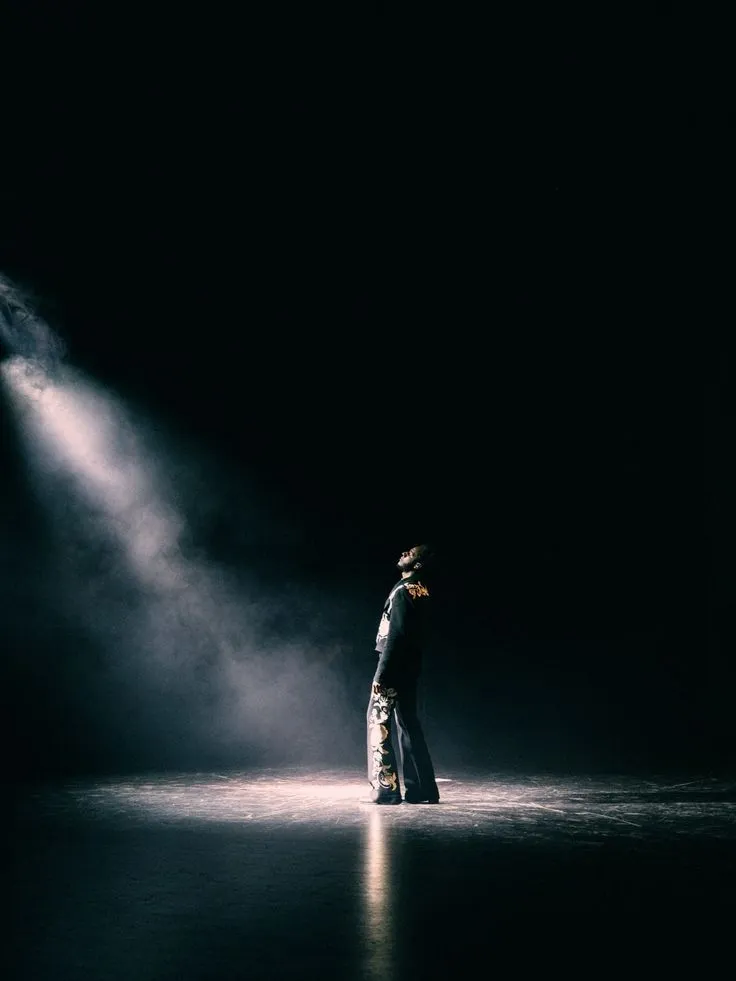
Photo: edgy performer outsider artist dramatic stage lighting alternative aesthetic, via i.pinimg.com
Let me tell you something nobody in the industry will say to your face: being rejected is data. Being called too much is data. Being the one who makes the suits in the meeting shift uncomfortably in their chairs? That is extremely valuable data. It means you're doing something they don't have a category for yet. And if they don't have a category for you, that means you get to be the category.
Welcome to the only creative strategy that actually matters long-term.
The Gatekeepers Were Always Wrong
Let's go back to 1975. A young woman named Patti Smith walks into the music industry with a leather jacket, a collection of poetry that would make most A&R executives sweat through their shirts, and zero interest in being palatable. She wasn't the right demographic. She wasn't playing the right game. She wasn't even really playing music the way music was supposed to be played — she was doing something between punk and poetry and performance art that didn't have a name yet.
The gatekeepers passed. The audiences didn't.
Horses became one of the most influential debut albums in American rock history. Not because Patti Smith figured out how to fit in, but because she refused to. Her outsider status wasn't a bug she needed to patch. It was the entire operating system.
Fast forward to the 2010s. A rapper from Compton named Kendrick Lamar releases a concept album rooted in Black American trauma, jazz influences, and narrative complexity that had no business being a mainstream commercial success by the industry's own logic. Too dense. Too political. Too literary. The algorithm wasn't built for it. Except it was a massive hit, it won the Pulitzer Prize — the first non-classical, non-jazz work ever to do so — and it permanently expanded what hip-hop was allowed to be.
The pattern is always the same. The room says no. The culture says yes. The room eventually pretends it always believed in you.
"Too Much" Is a Compliment in Disguise
Here's the thing about the creative marketplace in 2024 and beyond: it is saturated. Not just a little saturated — completely, overwhelmingly, algorithmically saturated. There are more songs released on Spotify every day than a human being could listen to in a lifetime. More visual artists on Instagram than the entire population of some countries. More content, more creators, more noise than any previous generation in human history has ever had to cut through.
In that environment, being inoffensive is a death sentence.
If you're making work that everyone can agree on, you're making work that no one is passionate about. Agreement is the enemy of obsession. And obsession — the kind that makes someone follow you from platform to platform, buy your merch before they see the design, show up to a show in a city they don't live in — is the only currency that actually compounds over time.
The artists who build real, lasting audiences in this landscape are the ones who are undeniably themselves, even when — especially when — that self is inconvenient, confrontational, or strange.
Marilyn Manson built an entire career on being the thing that suburban parents' nightmares were made of. Love him or hate him, nobody was indifferent. Indifference is the only thing that kills a creative career. Controversy, weirdness, provocation — these things create conversation, and conversation creates community.
Lady Gaga arrived at a moment when pop was slick and predictable, wearing a meat dress and talking about monsters and otherness in a way that immediately sorted her audience into people who got it and people who didn't. The people who got it became some of the most devoted fans in contemporary pop music. She didn't appeal to everyone. She appealed deeply to the right people.
That's the trade. You don't want everyone. You want your people.
The Practical Reality of Being the Wrong Fit
Okay, I hear you. "That's great for Kendrick and Gaga, but I'm not them." Fair. Let's talk about what this actually looks like on the ground level.
Stop auditing yourself for palatability. Every time you catch yourself softening something because you're worried about how it'll land, ask yourself who you're softening it for. If the answer is "people who probably wouldn't get it anyway," stop softening it. The work you're most afraid to put out is almost always the work that will connect hardest with the audience you actually want.
Rejection letters are a portfolio. Keep them. Seriously. Every gallery that passed on your work, every label that said you weren't commercial enough, every casting director who said you were "too intense" — that's a record of your refusal to compromise. Some of the most successful independent artists in America have built entire brand narratives around being the ones the industry slept on. It's not just sour grapes. It's a story, and stories build loyalty.
Find the micro-community first. You don't need to win the mainstream. You need to find the fifty people who are obsessed with exactly what you do, then the five hundred, then the five thousand. The internet makes this possible in ways that genuinely didn't exist before. The outsider aesthetic that would have kept you playing to empty rooms in 1995 can build you a devoted global audience in 2024 if you're willing to be consistent and uncompromising about who you are.
Your "flaw" is your fingerprint. The thing about you that doesn't fit — the voice that's too raspy, the visual style that's too dark, the politics that are too loud, the personality that's too abrasive — that's the thing that makes you identifiable. In a world drowning in content, being identifiable is everything. People don't follow aesthetics. They follow people. And people are specific, contradictory, and imperfect in ways that algorithms can't replicate.
The Room Was Never the Point
Here at Jaekel Diablo, we built this whole thing on the premise that chaos is an art form. That the edges are more interesting than the center. That the artists who make you feel something uncomfortable are doing more honest work than the ones who make you feel nothing at all.
The "wrong" person in the room is usually the only one saying something true.
So yeah, they didn't want you there. They didn't understand what you were doing. They told you to tone it down, clean it up, make it more accessible, make it more like the thing that already worked for someone else.
And you have two choices. You can spend the rest of your creative life trying to become acceptable to people who will never fully get it. Or you can build something so specifically, unapologetically yours that the people who need it will find it and never let go.
Build your own room. Make it weird. Make it yours.
The right people will show up.